
1
Applied at the soil surface
WaterPearls are spread on the soil around the plant: drip lines, trees, vines, potted crops, hydroponic mats. Application is one-time and mechanical.

A proprietary, patented organic super-hydrophobic bead, the size of a small grape, engineered to replicate the super-hydrophobic surface of the lotus leaf down to the molecular scale.
Biological models like the lotus leaf inspired our super-hydrophobic technology. The geometry of the WaterPearl surface replicates the lotus leaf's microscopic bumps, designed for optimal surface wetting behaviour.
Water drop shape and microscopic surface morphology transform the WaterPearl into an extremely water-repellent material. This thermodynamically stable surface is engineered to hold its performance over time.
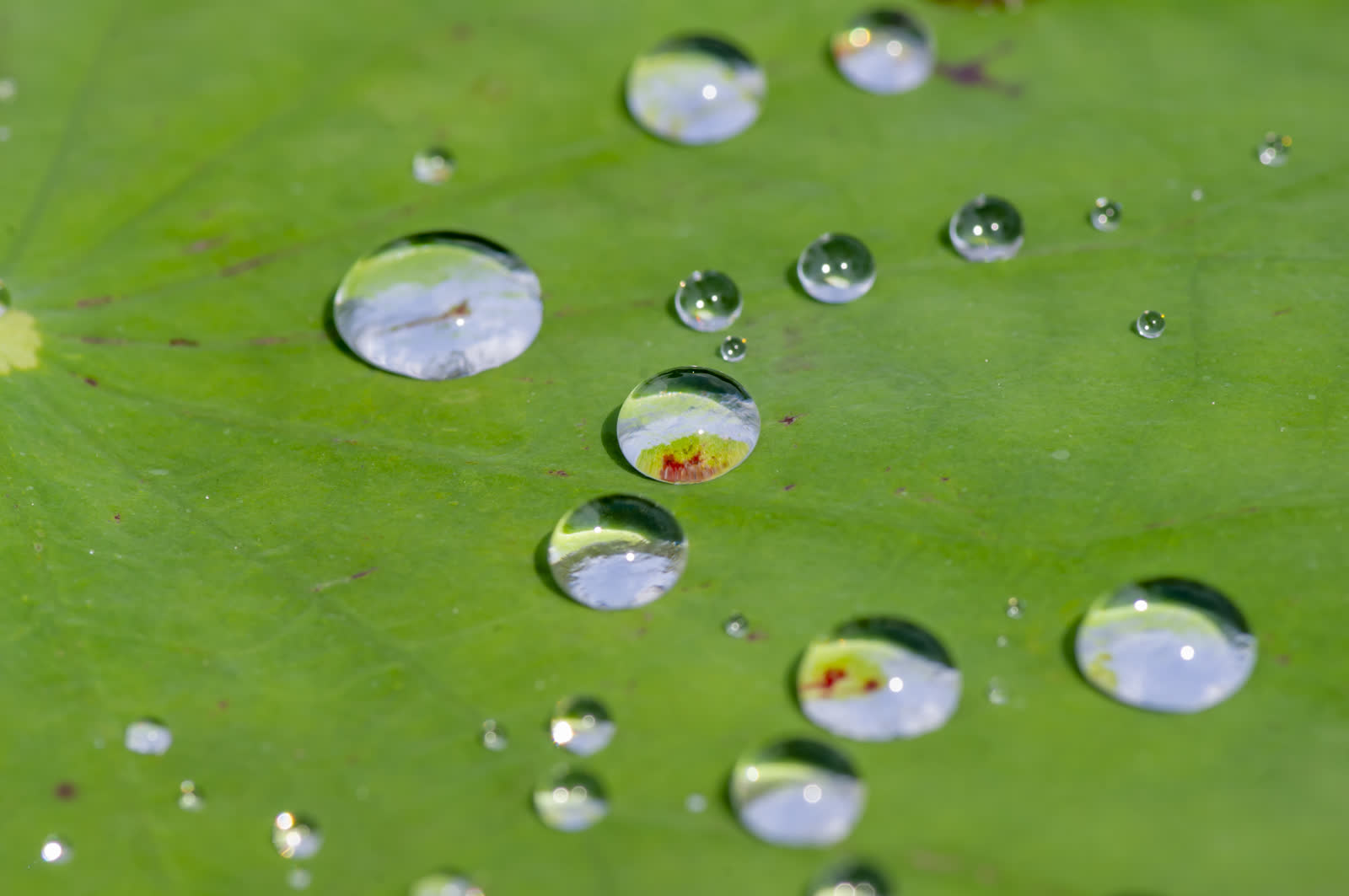
Transpiration is a driving force in a plant's life cycle. But when irrigating a crop, excess water is allotted to ensure soil moisture, and most of that excess never reaches the roots.
WaterPearls are spread on the soil around the plant: drip lines, trees, vines, potted crops, hydroponic mats. Application is one-time and mechanical.
The super-hydrophobic layer raises the resistance to water leaving the surface as vapour. A large share of applied water can otherwise be lost to evaporation.
By cutting that surface loss, more of each irrigation stays as liquid water in the soil profile, where the roots can reach it. Less is wasted, and more is taken up.
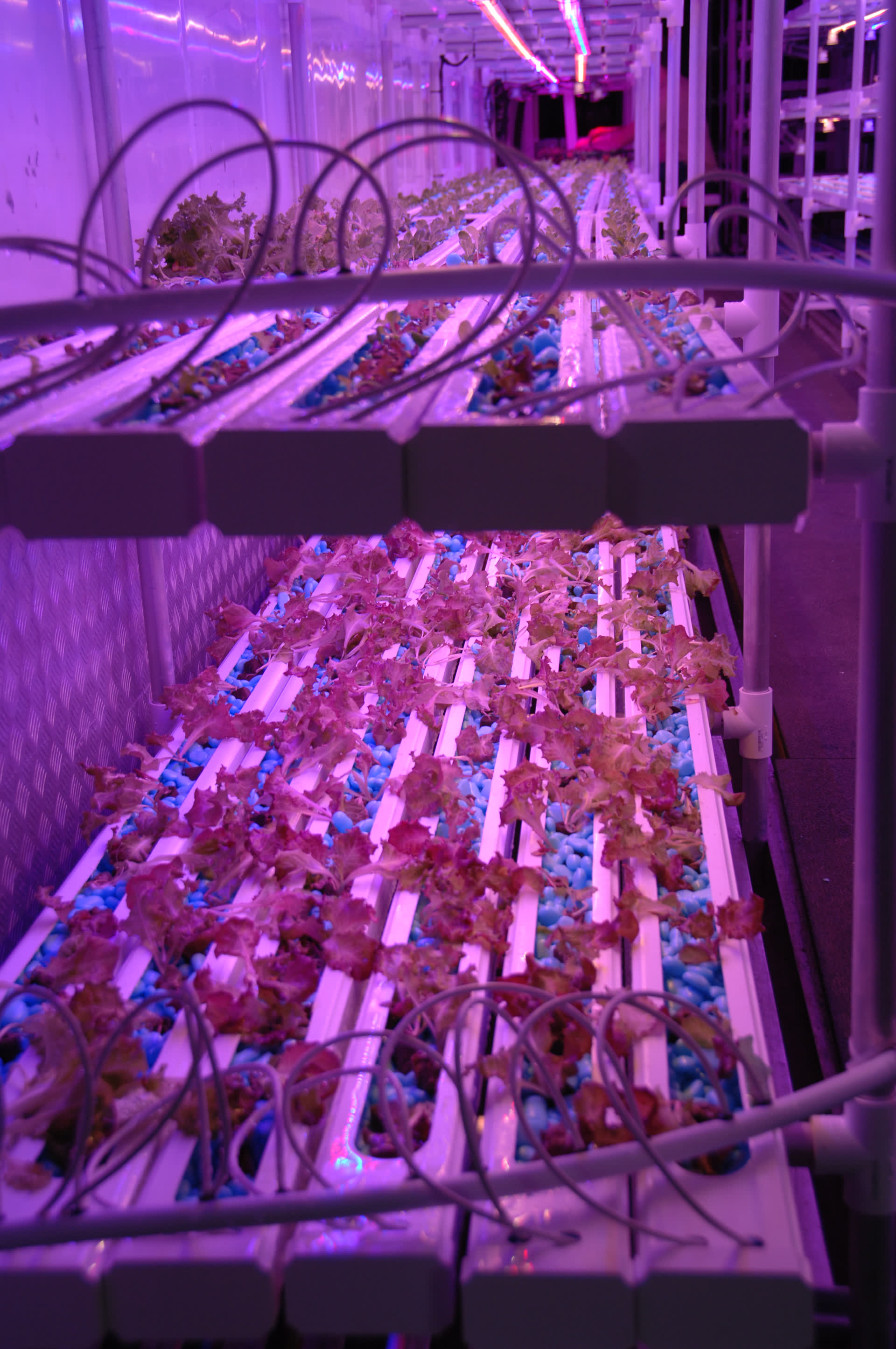
Whether soil, drip, hydroponics or reservoir, the same physics applies.
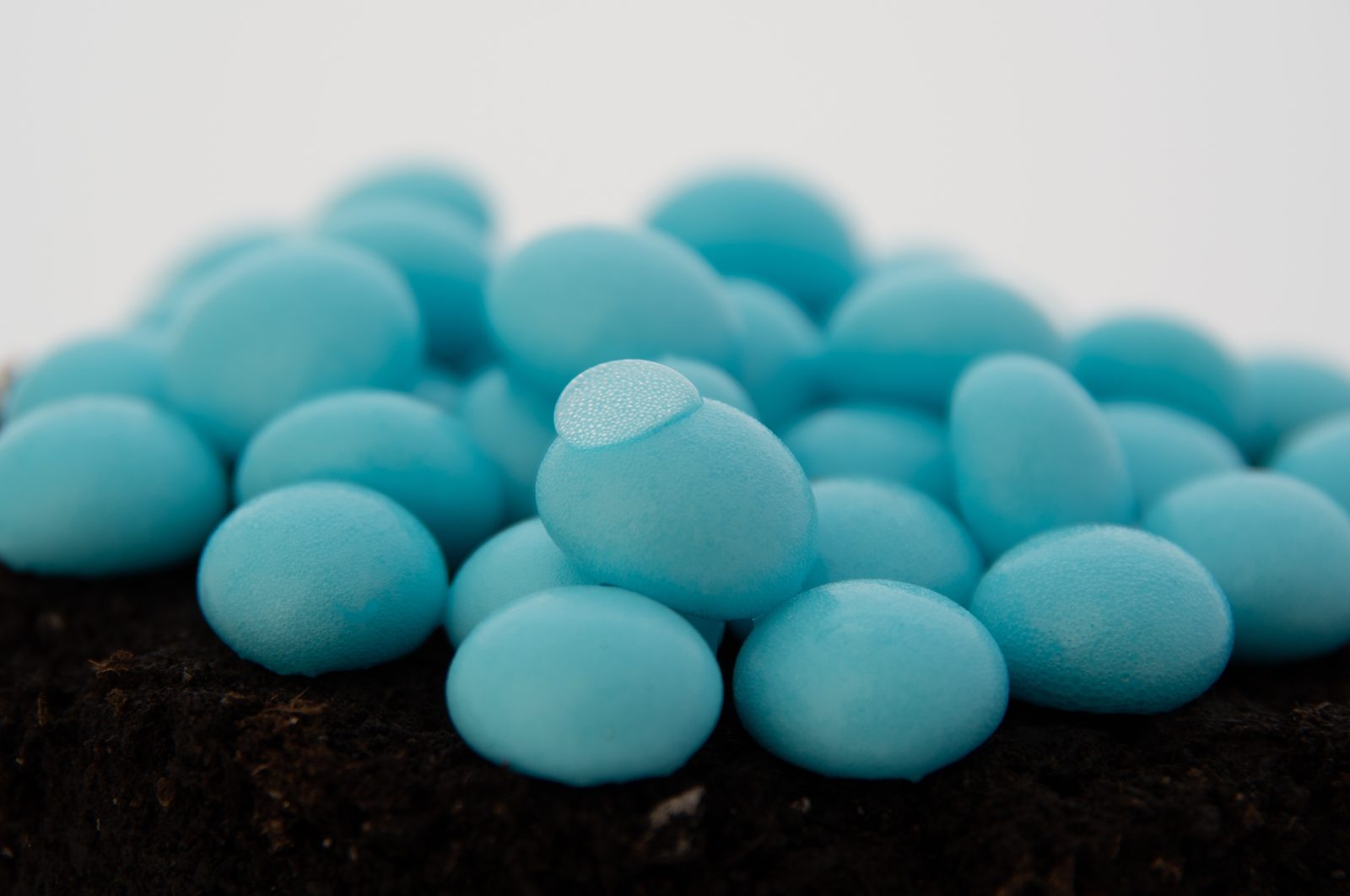
Reduced irrigation translates directly into avoided pumping energy, quantified per project. Results vary by crop, soil, climate, and irrigation regime. Figures reflect measured outcomes from RHST trials and deployments at specific sites.